
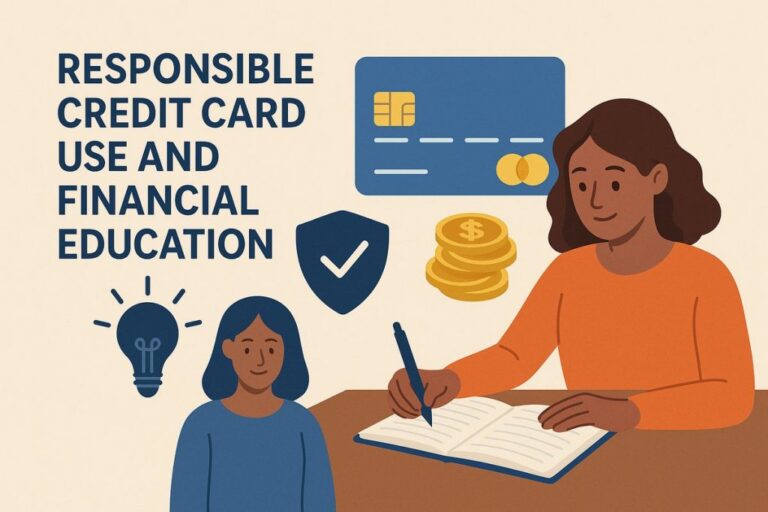
In an increasingly digital world, understanding how to use a credit card wisely is more important than ever. The rise of mobile payments and instant approvals has made access to credit easier — but without responsible habits, convenience can quickly turn into financial strain.
Learning to manage a card effectively means balancing spending, paying on time, and avoiding unnecessary debt. Beyond just a tool for purchases, a credit card can be a gateway to financial independence — if approached with discipline, awareness, and a responsible mindset.
The foundation of responsible credit behavior

Developing responsible credit practices starts with understanding how credit works. Every transaction, payment, or missed due date affects your credit score — a key measure of your financial health. Knowing this, consumers must approach credit as an instrument of trust, not temptation.
A responsible user monitors their expenses, limits spending to what they can repay, and avoids the pitfalls of revolving debt. Building a good history takes time, but consistency in responsible actions — like making payments on time and staying below the credit limit — ensures long-term stability and access to better financial opportunities.
Why financial education matters
Financial education is the cornerstone of responsible money management. Without proper guidance, many cardholders misunderstand interest rates, minimum payments, and compound debt. Schools and institutions are now incorporating financial literacy programs to address this gap, helping individuals make smarter decisions.
Understanding how interest accrues or how to calculate one’s credit utilization ratio empowers users to act more deliberately. Education turns theory into practice, reinforcing responsible decision-making that promotes financial security, resilience, and confidence when using credit in everyday life.
Practical steps for managing credit wisely
A few simple actions can transform how you approach your finances. Setting up autopayments, tracking monthly statements, and reviewing your credit report regularly are essential habits for responsible card ownership. Avoid using your credit card for impulse purchases or to fund an unsustainable lifestyle. Instead, align your spending with your income and goals.
Many financial advisors recommend maintaining your credit utilization below 30% of your limit. These responsible behaviors demonstrate reliability to lenders, increasing your chances of receiving favorable rates and better credit offers in the future.
Tools that encourage responsible use
Modern technology has made staying responsible with credit easier than ever. Many banks now offer apps that track spending, send payment reminders, and even provide educational resources. Some credit card providers, such as Discover and Capital One, include free credit score monitoring, allowing users to see how their behavior affects their financial profile in real time.
These digital tools not only simplify management but also promote self-awareness — encouraging responsible spending habits that align with long-term goals. The more informed and proactive a consumer becomes, the stronger their financial future.
Building a culture of responsibility
As more people enter the credit market, fostering a culture of responsible financial behavior becomes crucial. Governments, educators, and financial institutions share the responsibility of making information accessible and easy to understand. From community workshops to interactive apps, education must evolve alongside technology.
Empowered consumers make better choices, creating a ripple effect of stability within the economy. In the end, responsible credit card use paired with financial education doesn’t just improve personal well-being — it strengthens society’s collective financial foundation for generations to come.