
The world of credit cards is evolving faster than ever. Innovations once seen as futuristic are now shaping how consumers pay, borrow, and protect their money. From digital wallets to biometric verification, technology is redefining the boundaries of convenience and security.
These changes don’t just improve how we use a credit card—they transform the entire financial experience for both consumers and businesses. According to recent insights from the Federal Reserve, the use of digital payments and credit-based transactions continues to expand rapidly across the U.S. Understanding these developments is essential for anyone seeking to make smarter financial choices and stay ahead in a digital-first economy that values speed, personalization, and trust.
Contactless and biometric payments
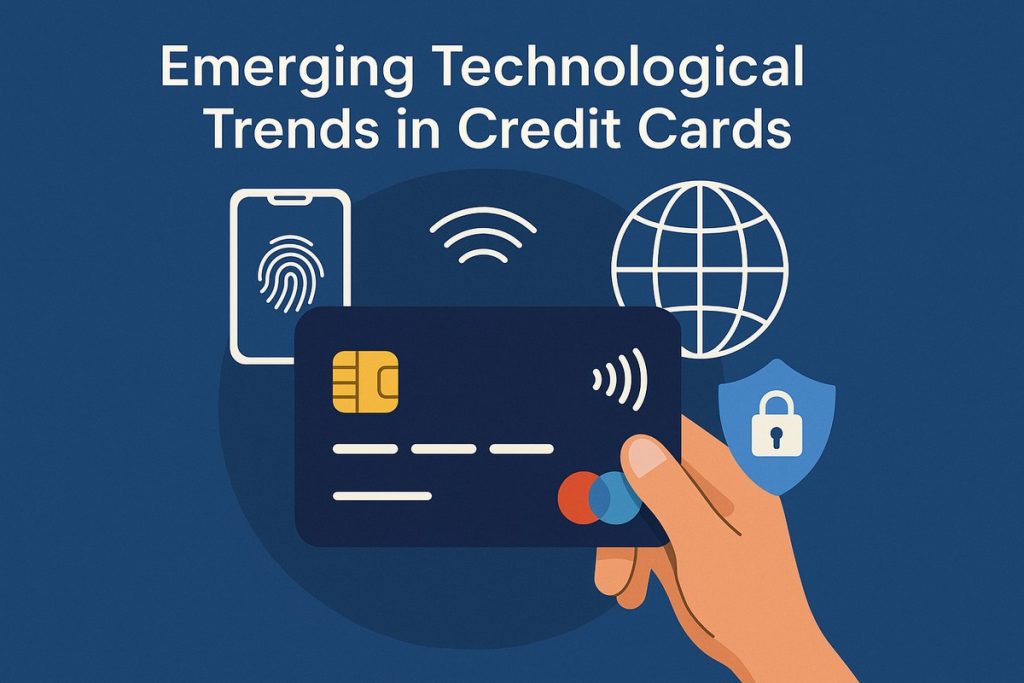
One of the most visible changes in credit card technology is the widespread adoption of contactless payments. Tapping to pay is now faster and more secure than swiping or inserting a chip, especially with the integration of NFC (Near Field Communication) and RFID technologies.
At the same time, biometric verification—through fingerprints or facial recognition—adds another layer of protection. Major issuers are already combining both systems to reduce fraud. The result is a seamless payment experience that prioritizes security without sacrificing speed, marking a new standard in everyday transactions.
Security through advanced authentication
With cybercrime growing more sophisticated, traditional PINs and passwords are no longer enough to protect credit card users from evolving threats. Banks and fintech companies are investing heavily in tokenization, encryption, and multi-factor authentication to safeguard sensitive data at every stage of a transaction. These measures ensure that even if one layer of security is breached, additional barriers remain in place to block unauthorized access.
For instance, virtual credit card numbers now allow consumers to shop online without exposing their real account details. These digital safeguards not only enhance security but also build consumer confidence in mobile and online transactions. As a result, digital trust is becoming one of the strongest currencies in the credit card industry.
Artificial intelligence and personalized financial management
Artificial intelligence (AI) is revolutionizing the credit card ecosystem by offering smarter insights and customized solutions. AI-powered algorithms analyze spending patterns to detect fraud in real time, recommend budgeting strategies, and even adjust credit limits based on behavior.
This level of personalization helps cardholders stay in control of their finances while reducing the risk of debt. Credit card companies are also using predictive analytics to tailor rewards programs, ensuring that users receive benefits aligned with their lifestyle—whether that means travel perks, cashback, or sustainability-driven incentives.
Integration with digital ecosystems
Today’s credit card is more than just a payment tool—it’s part of a connected ecosystem that adapts to the user’s digital lifestyle. Mobile apps, wearable devices, and digital assistants are integrating seamlessly with card services to deliver real-time updates, rewards tracking, and instant spending alerts, all within a unified experience that keeps finances transparent and accessible anywhere.
This convergence of technology makes managing a credit card easier than ever, allowing users to access statements, dispute charges, or redeem points with a few taps. As smart devices become more embedded in daily life, this integration will only deepen, further blurring the line between banking, lifestyle, and technology.
The rise of eco-conscious and smart credit cards
As sustainability becomes a global priority, credit card issuers are embracing eco-friendly innovation. Recycled materials, biodegradable plastics, and digital-first cards that eliminate physical production are gaining traction. Some companies now offer carbon footprint tracking, helping consumers measure the environmental impact of their purchases.
This new wave of smart credit cards reflects a broader cultural shift toward responsible finance—one that combines convenience with conscience. In the near future, environmentally aware credit card programs may even reward greener spending habits, encouraging users to align their values with their financial choices.
