
Moving to the United States or beginning your financial journey there can be exciting—but it also comes with the challenge of building credit from scratch. One of the most important steps is learning how to choose a credit card that fits your lifestyle and goals.
With so many options available, from student cards to secured ones, it’s easy to feel overwhelmed. Understanding your priorities, comparing terms, and building smart habits will help you start on the right path toward financial independence and responsibility.
Understand your credit profile
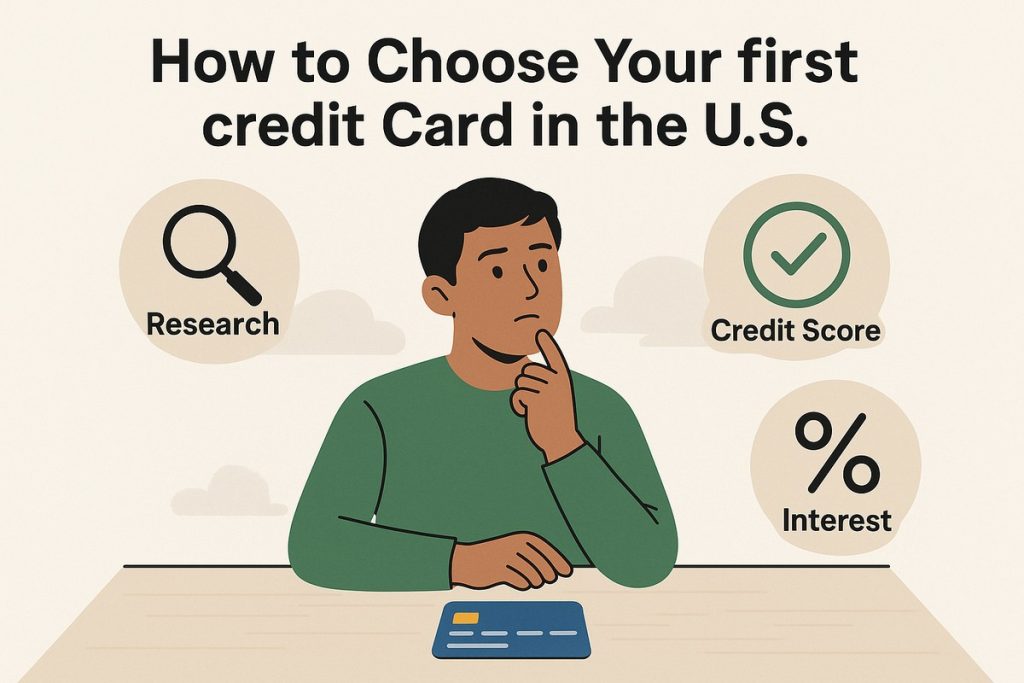
Before you choose a card, it’s crucial to know where you stand financially. If you’re new to the country or just starting out, you likely don’t have a credit history yet—and that’s okay. Many banks offer beginner-friendly options such as secured cards, which require a refundable deposit and help you build credit over time.
Reviewing your income, spending habits, and credit goals will make it easier to choose a product that aligns with your reality and ensures you can handle payments responsibly every month. This awareness not only helps you avoid unnecessary debt but also builds the foundation for healthier financial habits over time.
Start with beginner-friendly options
If you’re still unsure which card to choose, start small. Secured credit cards, like the Discover it® Secured or Capital One Platinum Secured, are ideal for building your credit score from zero. These cards report your activity to major credit bureaus, helping you establish a positive record.
Once you demonstrate consistent, responsible use, you’ll qualify for better options. The key is to choose a starter card that doesn’t burden you with high annual fees or complicated terms—simplicity is your best ally when you’re new to the credit world.
Compare fees and rewards
It’s tempting to choose a card just because it offers flashy rewards or cash back, but don’t overlook the fine print. Annual fees, foreign transaction charges, and interest rates can quickly cancel out any perks you earn. Always compare the total cost of using the card to the value of its benefits to make sure it truly fits your lifestyle and spending habits.
For example, if you travel often, choose a card with no foreign transaction fees, such as the Chase Freedom Unlimited®. If you prefer everyday savings, look for cards offering consistent cash back on groceries, gas, and dining. The smartest move is to balance benefits with affordability and select a card that truly fits your spending style.
Prioritize transparency and flexibility
When evaluating different products, always choose a card from an institution that’s clear about its terms and customer support. Transparency is a sign of trustworthiness. Read reviews and understand the grace period, payment deadlines, and possible penalties.
Flexibility matters too—some cards allow credit limit increases after a few months of responsible use, giving you more freedom without applying for a new card. By taking time to choose wisely, you protect your finances and set yourself up for long-term success, avoiding costly surprises down the road.
Think long-term when choosing
As your financial situation evolves, so will your credit needs. You might start with a secured or student card, but eventually, you’ll want to choose one with stronger rewards, travel benefits, or premium perks. Keep an eye on your credit score growth and be ready to upgrade when it makes sense.
The ability to choose strategically at every stage will help you build a solid foundation and reach bigger goals—whether that’s renting an apartment, financing a car, or buying your first home in the U.S. By learning how to make smart financial decisions now, you’ll set yourself up for long-term success and stability.
