
Technology is transforming the way people make payments, and the traditional credit card is no longer just a piece of plastic. As digital wallets, connected devices, and blockchain gain traction, the financial landscape is shifting toward faster, safer, and more personalized experiences.
These innovations are redefining what it means to own and use a credit card, turning it into a powerful tool for convenience and control. Understanding these changes today can help consumers adapt and make smarter choices in tomorrow’s payment ecosystem.
The evolution of the credit card in a digital world
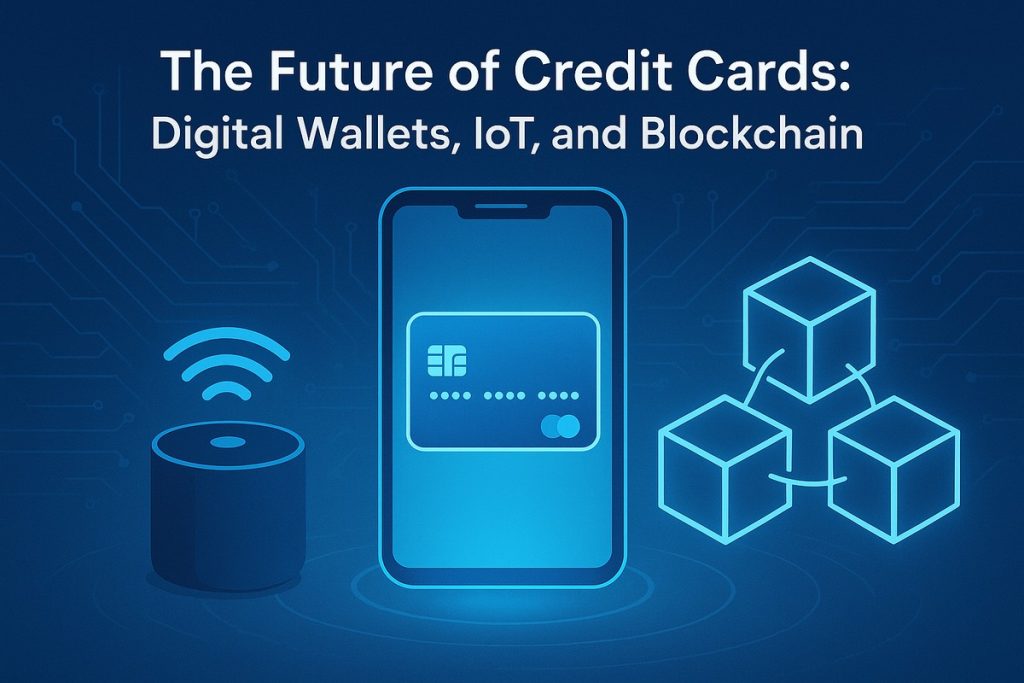
The credit card has come a long way from its early days of manual swipes and carbon copies. Today, it integrates seamlessly with mobile apps, virtual payment systems, and online platforms. With digital wallets like Apple Pay and Google Pay, users can store multiple cards securely and complete transactions with a tap or a glance.
This shift toward digital convenience has not only simplified payments but also enhanced security, as tokenization and biometric authentication reduce the risks of fraud while maintaining the flexibility that makes credit card use so popular. As these technologies advance, users gain greater confidence in managing their finances online, knowing their transactions are protected by multiple layers of intelligent security.
How contactless payments are reshaping daily transactions
Contactless technology has made paying faster and safer than ever. By simply holding a smartphone or smartwatch near a terminal, consumers can complete purchases instantly without handling cash or cards physically. Many banks now issue credit cards equipped with near-field communication (NFC) chips, blending traditional payment methods with modern convenience.
This innovation has also influenced global habits—especially after the pandemic—encouraging more people to embrace touch-free transactions. As this trend continues, digital integration will likely become the standard for every credit card in circulation.
The Internet of Things and smart financial connections
The Internet of Things (IoT) is pushing payment innovation even further. Imagine your car paying for gas automatically or your refrigerator ordering groceries when supplies run low—all linked to your credit card account. These interconnected devices make transactions effortless but also raise questions about data privacy and security.
As IoT continues to expand, banks and tech companies are investing heavily in encryption and real-time monitoring to protect sensitive financial information. The result is a world where your credit card can operate invisibly yet safely within your connected lifestyle.
Security challenges in a hyperconnected future
As technology becomes more integrated into daily life, safeguarding personal information becomes a top priority. Each new connection creates potential entry points for hackers, making advanced security essential. Blockchain technology offers a promising solution, creating transparent and tamper-proof transaction records.
Some institutions are already experimenting with blockchain-based credit card systems to ensure data integrity and reduce fraud. In this emerging environment, maintaining trust between consumers and financial providers will be as important as the innovations themselves.
Preparing for a smarter and safer financial future
The convergence of digital wallets, IoT, and blockchain marks the next frontier for payment innovation. To stay ahead, consumers should familiarize themselves with new tools and security options offered by their credit card providers. Embracing these advancements early allows users to take full advantage of seamless transactions, improved protection, and the personalized financial experiences shaping the future of payments.
Choosing cards that support tokenized payments, real-time spending alerts, and biometric authentication can make a difference in a rapidly changing world. As technology continues to evolve, the credit card remains at the heart of financial progress—adapting, innovating, and connecting people to a smarter, more secure future of payments.
