
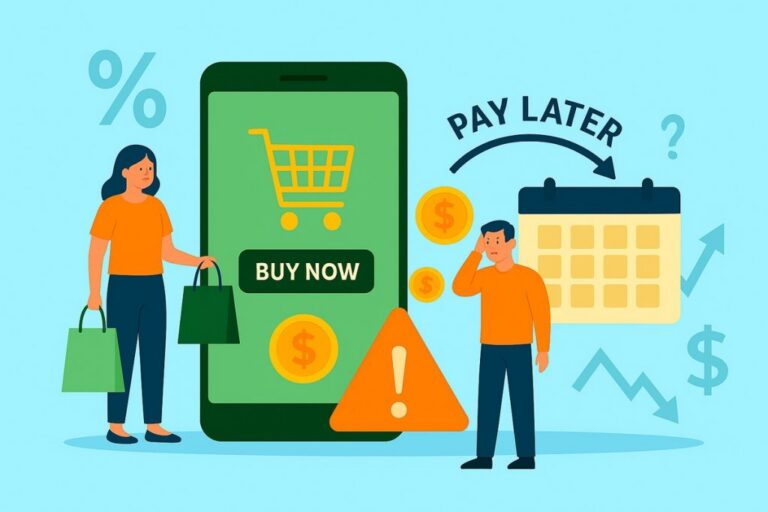
Over the past few years, the Buy Now, Pay Later (BNPL) model has revolutionized how people shop online. It offers instant gratification—allowing consumers to purchase products immediately and split payments over weeks or months, often without interest. This financial innovation has spread rapidly across global markets, becoming a preferred payment method for who seek flexibility and convenience.
At first glance, BNPL seems like a win-win solution for customers and retailers alike. It smooths the shopping experience, boosts sales, and gives consumers a sense of financial freedom. But beneath this sense of empowerment lies a complex reality: not all users fully understand the consequences of deferred payments. The blending of technology, psychology, and finances has created a dynamic where spending feels effortless—sometimes dangerously so.
The rise of a digital credit revolution
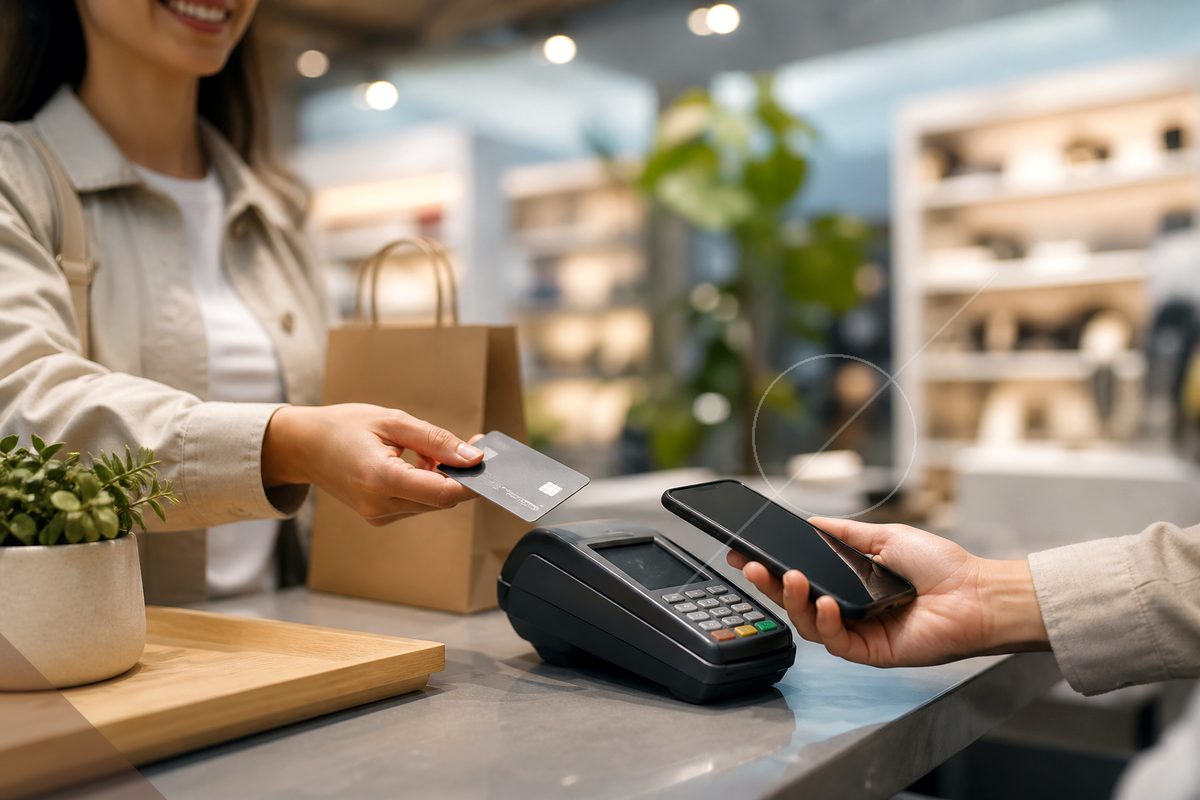
The appeal of BNPL lies in its simplicity. Unlike traditional credit cards, approval is quick, with minimal checks or paperwork. This has opened access to short-term credit for younger generations who may distrust banks or struggle to qualify for traditional loans.
Yet, this rapid expansion has raised questions about sustainability. As competition among BNPL providers grows, so does the pressure to onboard more users and expand credit limits. Many consumers now manage multiple BNPL accounts at once, juggling overlapping payment schedules.
The psychology behind convenience
The BNPL model taps into human behavior in powerful ways. When payments are delayed or divided into smaller portions, buyers perceive purchases as more affordable, even if the total cost remains unchanged. This subtle psychological effect often leads to higher spending, particularly on non-essential items.
Financial experts warn that the emotional distance between spending and repayment weakens personal accountability. Because transactions feel “light” in the moment, users might overlook the cumulative weight of their commitments. When those small installments start overlapping, what once seemed harmless can evolve into mounting financial pressure.
The hidden costs and systemic risks
While BNPL services advertise “interest-free” plans, hidden fees and penalties often apply to late payments. For consumers living paycheck to paycheck, even minor delays can snowball into significant debt. Moreover, since most BNPL programs operate outside traditional credit systems, missed payments may go unnoticed by credit bureaus—until the debt is sold to collectors.
Financial institutions are also watching closely. The unregulated nature of BNPL poses potential risks to the broader economy. Without clear oversight, lenders might underestimate the true level of consumer debt. As more purchases shift to this model, the potential for mass defaults increases, threatening the stability of both digital lenders and traditional banks that invest in them.
Regulators and the road ahead
Governments are beginning to respond. In countries like the UK and Australia, regulators are considering stricter measures to protect consumers, such as clearer fee disclosures and mandatory affordability checks. These steps aim to balance innovation with responsibility—ensuring that BNPL remains a tool for financial inclusion, not exploitation.
However, meaningful regulation takes time, and the digital marketplace evolves faster than policy. Until oversight catches up, much of the responsibility will rest on consumers themselves. Understanding the real cost of convenience is essential to prevent the same cycle of debt that once plagued credit card users from repeating under a new name.
Conclusion — A promising future, if handled with care
BNPL is more than just a payment option—it’s a symbol of how technology reshapes our relationship with money. It offers accessibility, choice, and empowerment, but also introduces risks that require awareness and education. As consumers increasingly rely on digital payment ecosystems, understanding their underlying mechanisms becomes essential.
If consumers, businesses, and regulators work together, the Buy Now, Pay Later model can remain a valuable financial tool without becoming a trap. Its future depends not on innovation alone, but on responsibility—balancing convenience with caution, and ensuring that short-term comfort doesn’t compromise long-term financial health.