
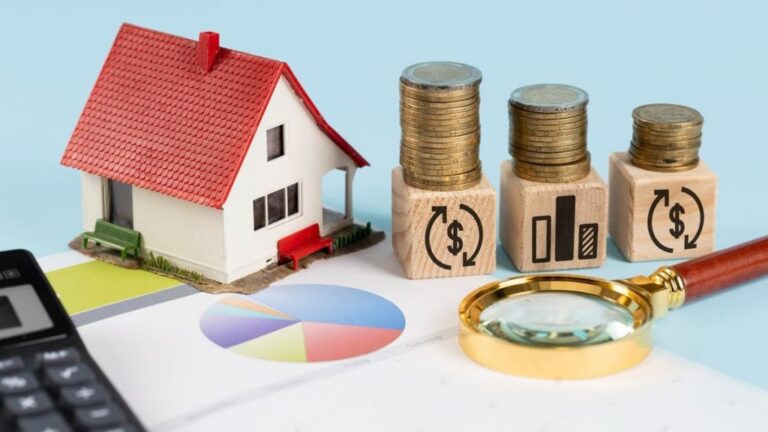
Interest rates have always been a key factor in shaping personal and national economic well-being. When rates rise, borrowing becomes more expensive, influencing everything from car loans and credit cards to home mortgages. For many families, these shifts can feel like an invisible weight pressing down on their financial stability, making it harder to plan for the future or reach important milestones like buying a house.
As finances tighten, higher interest rates ripple through nearly every aspect of daily life. Homeownership dreams may be postponed, small businesses may struggle to access affordable credit, and households may find themselves paying significantly more for the same loan amount.
Why interest rates rise and what it means for borrowers
Interest rates typically rise as a response to inflation. When prices for goods and services climb too quickly, central banks—such as the Federal Reserve in the United States—raise benchmark rates to slow down spending and borrowing. While this policy aims to stabilize the economy, its side effects often hit consumers directly.
For borrowers, higher rates translate into increased monthly payments and reduced borrowing power. A loan that seemed manageable a year ago can suddenly become a financial strain. For example, a modest increase in mortgage rates can add hundreds of dollars to a monthly payment, potentially pricing families out of homes they could previously afford.
The personal impact on everyday budgets
When interest rates rise, debt repayment becomes more challenging. Homeowners with variable-rate mortgages often experience an immediate jump in payments, while those with fixed-rate loans may struggle when refinancing. The same applies to personal loans and credit cards—balances take longer to pay off, and interest accumulates faster than expected.
For families already managing tight budgets, this can lead to difficult choices: cutting back on leisure activities, delaying large purchases, or even dipping into emergency savings. The emotional stress of rising debt can strain relationships and erode a sense of financial security, particularly for those living paycheck to paycheck.
The broader economic effects: from homes to businesses
Rising interest rates don’t just affect households—they ripple across the entire economy. The housing market often slows down first, as fewer people qualify for mortgages. Homebuilders reduce construction projects, and related industries like furniture and renovation services feel the slowdown. This domino effect can lead to fewer job opportunities and slower overall growth.
Small and medium-sized businesses also face challenges when borrowing costs rise. Loans for expansion, inventory, or hiring become more expensive, leading to more cautious business decisions. While these effects are part of a deliberate effort to curb inflation, they can create a temporary sense of economic stagnation, affecting both consumer confidence and employment rates.
Adapting to a High-Rate Environment
The key to navigating a high-interest environment lies in preparation and adaptability. Borrowers can benefit from reviewing existing debts, refinancing where possible, and prioritizing repayment of high-interest balances. Building an emergency fund and maintaining good credit can also help cushion the impact of financial shocks.
For prospective homeowners, patience and timing are critical. Waiting for rates to stabilize or considering smaller properties might be wise in uncertain times. Consulting with financial advisors and understanding mortgage structures can help families make sound decisions that align with their long-term goals.
Finding balance amid financial change
While high interest rates can feel discouraging, they are a natural part of the economic cycle. Over time, they often lead to reduced inflation and a healthier, more balanced financial environment. The key for individuals and families is to remain proactive, informed, and flexible in how they manage debt and savings.
Ultimately, financial resilience isn’t about avoiding challenges—it’s about adapting to them. By staying mindful of spending habits, setting realistic goals, and understanding the broader economic forces at play, families can weather high interest periods and emerge stronger when conditions improve.