
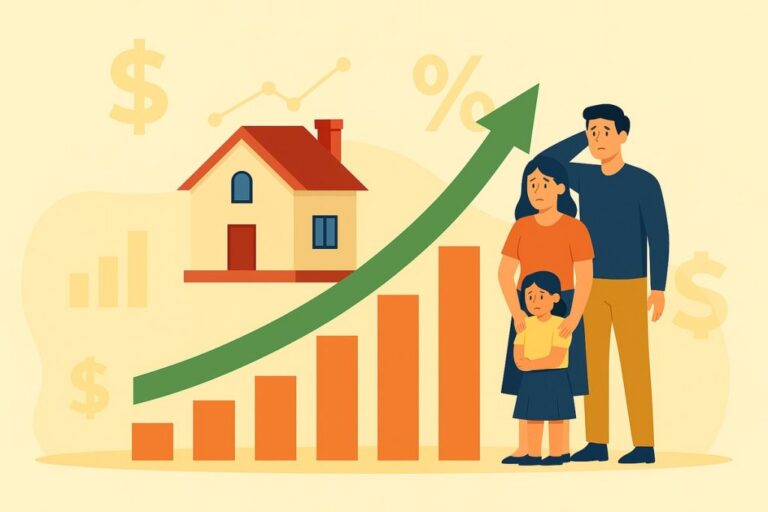
Across the United States, families are feeling the growing pressure of rising costs. From groceries and healthcare to rent and mortgages, the cost of living has surged faster than most household incomes. This shift has forced many Americans to rethink their spending habits, prioritize essentials, and postpone major life decisions such as buying a home or starting a family.
Family finances are being stretched thin as everyday expenses eat into savings and emergency funds. Even dual-income households are finding it harder to keep up with monthly bills while maintaining a decent quality of life. The American dream of stability and homeownership now feels more distant for millions of people, as economic realities challenge what was once considered attainable.
The rising cost of living: more than just inflation

The cost of living increase goes far beyond inflation. While wages have grown modestly, prices for necessities like food, childcare, and utilities have soared. The aftermath of the pandemic, global supply chain disruptions, and increased demand for housing have all contributed to a tighter financial landscape for families.
This squeeze is especially visible in metropolitan areas, where rent and property taxes continue to climb. Even families earning above the national median income are spending a larger portion of their paychecks on essentials, leaving little room for savings or discretionary spending. What used to be “comfortable” income now barely covers the basics in many regions.
Everyday adjustments families are making
To cope, families are becoming more resourceful. Many have cut back on dining out, delayed vacations, or switched to more affordable brands. Budgeting apps and financial planning tools have become essential to track where every dollar goes. Parents are also finding creative ways to supplement income—through side jobs, freelance work, or selling handmade goods online.
However, these efforts often come at the cost of personal time and well-being. Constantly juggling finances can lead to emotional fatigue and anxiety, especially when unexpected expenses arise. This new economic environment requires not only practical adjustments but also resilience and adaptability.
Housing: the heart of the financial strain
Housing remains one of the biggest challenges in American family budgets. Home prices have risen dramatically over the past decade, and mortgage rates have climbed, making it difficult for first-time buyers to enter the market. Meanwhile, renters are facing record-high lease renewals, with some cities seeing double-digit percentage increases in just one year.
The housing crisis has ripple effects across generations. Young adults are delaying homeownership, moving back with parents, or opting for smaller living spaces. For families already owning property, rising property taxes and maintenance costs are becoming a heavier financial burden, forcing some to downsize or relocate to more affordable areas.
The emotional and social impact of housing costs
The strain of housing costs extends beyond money—it affects mental health and family relationships. Constantly worrying about rent increases or mortgage payments can create stress and tension at home. Parents often feel guilt or frustration when financial limitations impact their children’s education or extracurricular opportunities.
Moreover, the lack of affordable housing options limits community diversity and mobility. When families can no longer afford to live where they work or where their children go to school, social ties weaken, and opportunities for upward mobility diminish.
Building financial resilience for the future
The increase in the cost of living and housing is reshaping how American families think about money, priorities, and long-term goals. While the challenges are undeniable, awareness and proactive financial planning can help households regain a sense of control. Emphasizing savings, reducing debt, and making informed housing decisions are vital steps toward greater security.
Ultimately, resilience lies in adaptability. Families who approach their finances with honesty, strategy, and cooperation can navigate these uncertain times with confidence. Though the economic landscape continues to shift, hope and determination remain powerful tools for building a stable and fulfilling future.