
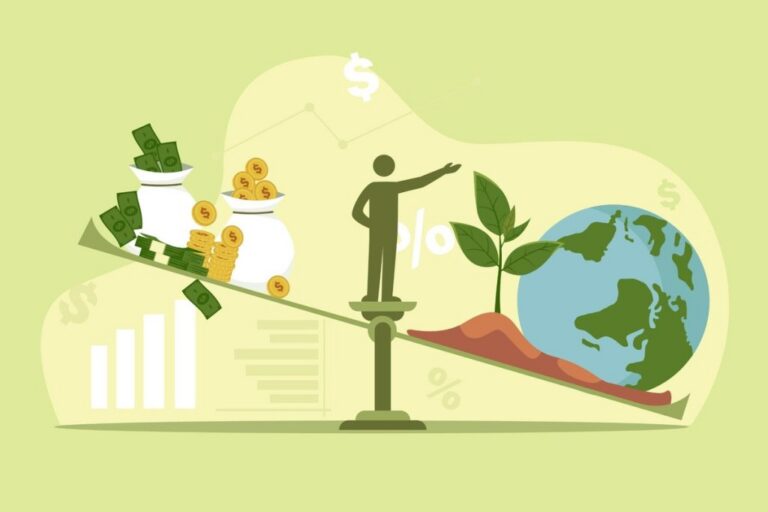
In recent years, the concept of sustainable investing has gained remarkable attention. More people are choosing to align their money with their values, supporting companies that prioritize the environment, social responsibility, and good governance, collectively known as ESG. This shift reflects a growing awareness that our financial choices can influence the planet and society, not just our personal wealth.
At the same time, individuals are increasingly seeing their finances as tools for impact, not just for profit. Sustainable investments can provide a sense of purpose, allowing investors to contribute to a better world while still pursuing long-term growth. But how can people balance moral values with financial returns? And is ESG investing truly the future of personal finance?
Understanding ESG and its growing appeal

ESG investing goes beyond traditional financial analysis. It considers how a company treats its employees, manages its environmental footprint, and maintains ethical business practices. Investors now realize that these factors are not just moral add-ons — they can directly affect a company’s performance, resilience, and long-term profitability.
This growing appeal is driven by both awareness and results. Studies have shown that companies with strong ESG practices often outperform those that ignore sustainability. For individual investors, this means that doing good and doing well financially no longer have to be separate goals. ESG funds, green bonds, and socially responsible portfolios have made it easier than ever for people to invest according to their values without compromising financial returns.
Balancing ethics and returns
The most common concern about sustainable investing is whether it sacrifices profit for principle. Fortunately, evidence suggests otherwise. Many ESG investments perform competitively with traditional ones, thanks to their focus on forward-thinking management, risk reduction, and innovation.
Still, investors must choose wisely. Not all funds labeled as “sustainable” truly meet ESG standards — a phenomenon known as “greenwashing.” It’s important to research companies and funds carefully, looking for transparent reporting and measurable impact. By doing so, investors can make choices that are both ethical and economically sound.
How ESG shapes personal finances
Incorporating ESG principles into personal finances encourages people to think differently about money. Instead of viewing investments purely as a means to build wealth, individuals begin to see them as a form of participation in global change. This mindset helps bridge the gap between personal financial goals and broader social responsibility.
Moreover, sustainable investing can promote better financial discipline. When investors intentionally choose where their money goes, they become more engaged in tracking performance and understanding the social and environmental effects of their portfolios. Over time, this active involvement fosters financial literacy and more mindful decision-making.
Building an ESG strategy for everyday investors
Creating a sustainable investment plan doesn’t require vast wealth. Many mutual funds and ETFs now include ESG options accessible to smaller investors. The key is to start by identifying your values—whether you care most about climate change, human rights, or corporate transparency—and then finding investments that align with those priorities.
Diversification remains essential. Even in ESG portfolios, spreading investments across sectors and asset types helps manage risk. Partnering with a financial advisor experienced in sustainable finance can also ensure that your goals and values are balanced effectively, maximizing both purpose and profit.
Investing with meaning
Sustainable investing represents more than a financial trend—it’s a reflection of changing global priorities. As individuals recognize the power of their capital, they are increasingly using it to support positive change, from renewable energy to social equity.
In the end, the goal is not just to grow wealth but to make that growth meaningful. By embracing ESG principles, people can take control of their financial future while contributing to a more ethical, balanced, and sustainable world. In this way, personal finances become a bridge between prosperity and purpose—a lasting investment in both our wallets and our planet.