
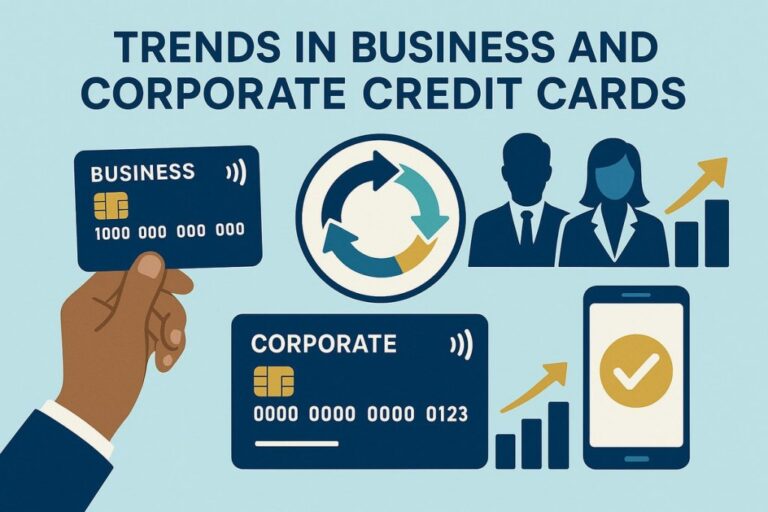
The financial world is rapidly changing, and organizations are rethinking how they manage spending. The modern credit card for businesses is no longer just a tool for payments; it has become a strategic instrument for control, data analysis, and operational efficiency.
From digital integrations to sustainability incentives, companies now seek flexible financial tools that align with their evolving needs. This shift is driven by technology, security, and the growing importance of smarter money management across all industries.
Digital transformation and virtual solutions

The move toward digital ecosystems is reshaping how organizations issue and manage their credit card programs. Virtual cards, integrated apps, and automated reports make expense tracking seamless and transparent. Many startups and financial platforms now offer digital-first solutions that reduce administrative tasks and improve accuracy.
Businesses can generate unique virtual cards for each transaction or department, adding layers of security and accountability. As a result, the traditional plastic card is being replaced by agile digital tools that support remote teams and hybrid work models.
How virtual tools redefine expense control
Through automation and smart software, companies can instantly set spending limits, block unauthorized purchases, and receive real-time notifications. This new generation of credit card management systems reduces errors, eliminates manual approvals, and simplifies audits.
Cloud-based dashboards enable finance teams to analyze expenses by category or project, providing strategic insights that drive better decisions. The combination of digital tools and financial intelligence transforms the humble corporate card into a dynamic business asset rather than a passive payment method.
Security, transparency, and data-driven policies
In an era of digital transactions, cybersecurity is a top concern. Advanced encryption, biometric verification, and AI-powered fraud detection are becoming standard features for every corporate credit card. Beyond safety, companies now emphasize transparency—knowing exactly how, when, and why money is spent.
Integrated analytics allow finance leaders to detect anomalies instantly, preventing misuse and improving accountability. These data-driven tools make financial management more predictive than reactive, helping organizations anticipate risks instead of merely responding to them.
Sustainability, flexibility, and future trends
A new wave of innovation is linking credit card use to sustainability goals. Companies are choosing providers that support eco-friendly practices, such as carbon offset programs or rewards for green purchases. This approach aligns financial management with corporate social responsibility strategies.
At the same time, flexibility is becoming essential—multi-currency support and mobile-first platforms enable global operations with ease. As businesses grow more connected, the corporate credit card continues to evolve, blending technology, ethics, and efficiency to meet the demands of the modern enterprise.
Preparing for what’s next
The next frontier in the credit card industry will center on personalization and integration. Artificial intelligence will analyze spending patterns to recommend smarter budgets, while open banking will connect cards to ERP and HR tools. Learn more at Visa Business Credit Cards.
Companies that adapt early will gain a significant advantage in cost control and financial insight. In essence, the evolution of the business credit card reflects a broader shift toward intelligent finance—where every transaction, no matter how small, contributes to a larger strategic vision.